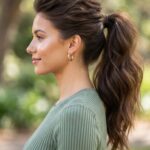

Have you ever walked into a salon with a celebrity photo only to leave looking nothing like the picture? The secret isn’t just a talented stylist; it’s understanding your unique hair texture. Whether you’re rocking silky straight strands or gravity-defying coils, choosing a cut that works with your natural pattern—not against it—is the ultimate game-changer. In this guide, we’ll break down exactly how to identify your type and pick the styles that make your mane shine. Let’s dive into how you can finally find the perfect match for your hair!
1. Identify Your Unique Curl Pattern
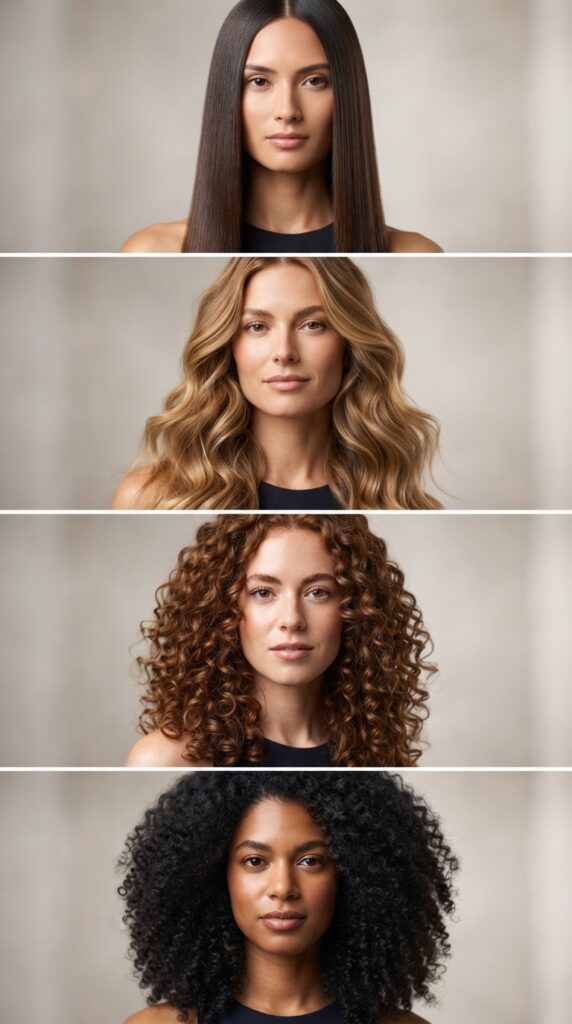
Before you pick a style, you need to know your number. Hair textures are generally categorized from Type 1 (straight) to Type 4 (coily). Each category has sub-types like A, B, and C that determine the diameter of your wave or curl. Understanding your specific pattern helps you predict how a haircut will settle once it’s dry and styled.
2. Straight Hair (Type 1): Focus on Shine and Precision
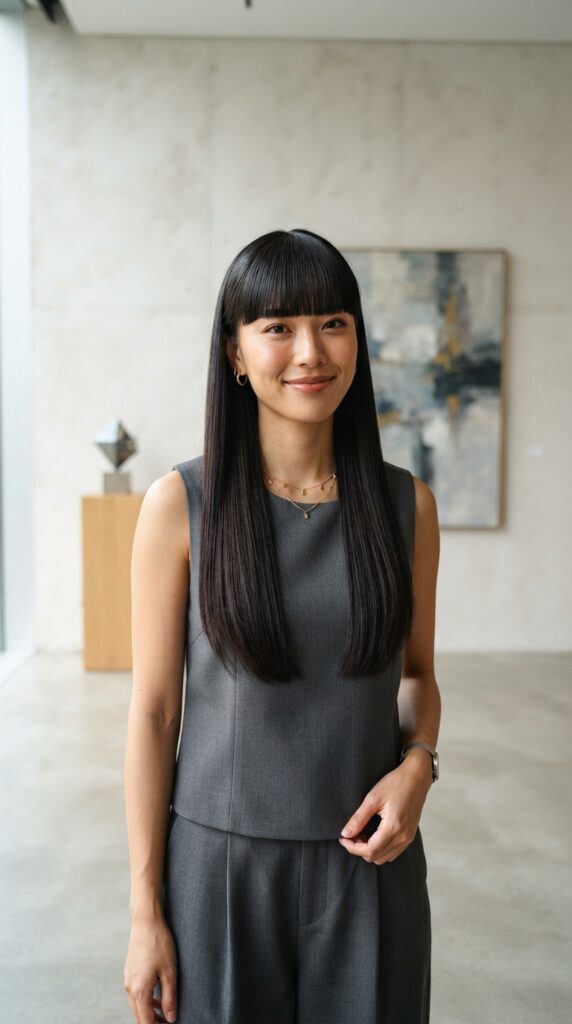
If your hair is pin-straight, you have the advantage of natural shine because the hair cuticle lies flat. However, volume can be a challenge. To make the most of this texture, opt for blunt bobs or long, face-framing layers that add the illusion of thickness. Avoid too many internal layers which can make straight hair look thin or wispy at the ends.
3. Wavy Hair (Type 2): Lean Into the Movement

Wavy hair sits perfectly between straight and curly, offering a lot of versatility. To enhance those ‘S’ shaped waves, try a modern shag or a long bob (lob). These styles encourage natural movement without the weight that can pull waves flat. Curtain bangs are also a fantastic addition for this texture as they blend seamlessly into the wave pattern.
4. Curly Hair (Type 3): The Power of Internal Layers
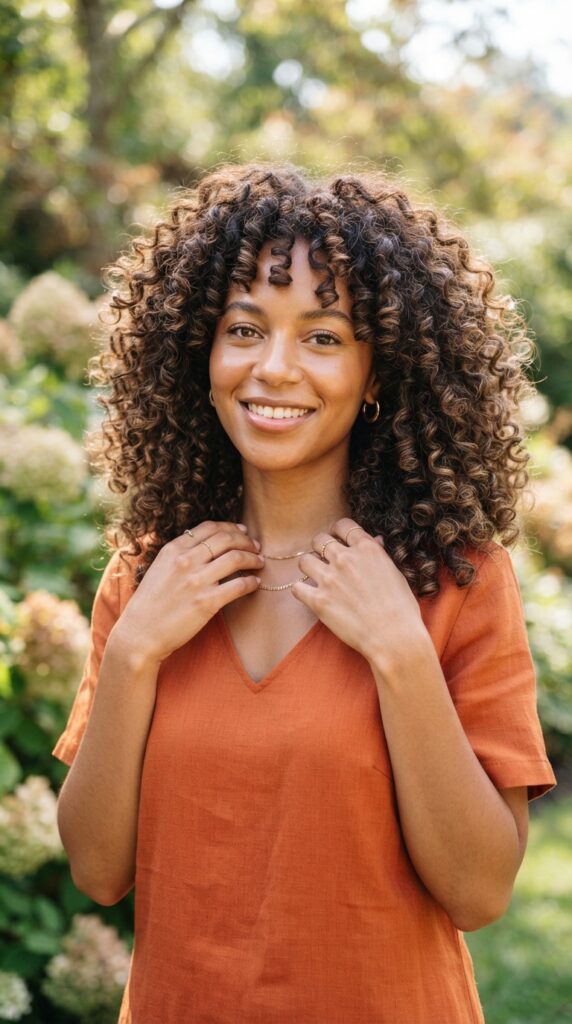
Curly hair is all about the bounce, but without the right cut, it can often take on a ‘triangle’ shape. To avoid this, ask for internal layers or a Deva cut. These techniques remove weight from the bottom and allow the ringlets to stack beautifully, creating a rounded, balanced silhouette that celebrates your natural volume.
5. Coily Hair (Type 4): Sculpted Shapes and Protection
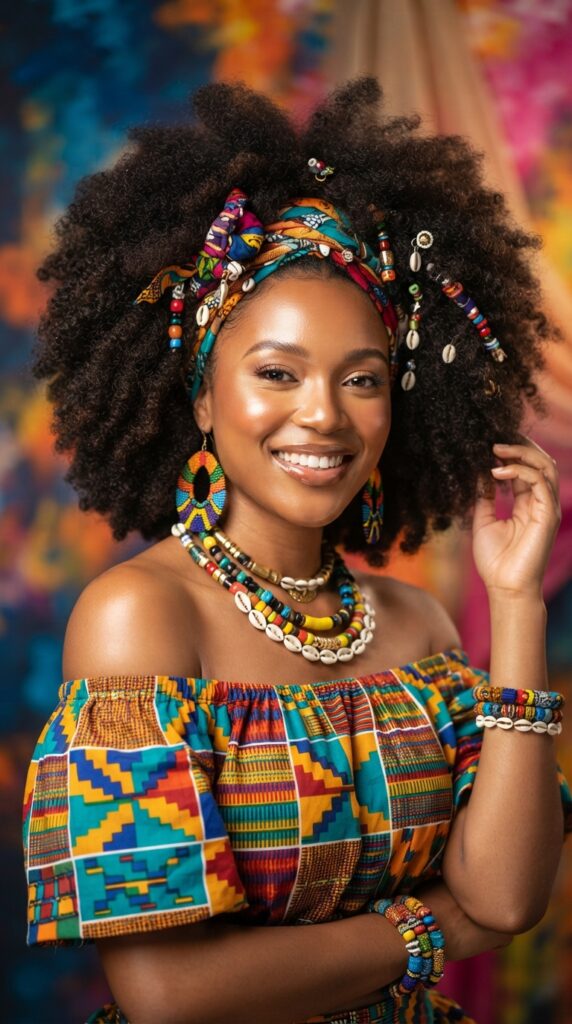
Coily and kinky hair types are incredibly strong but also the most fragile. Styles for this texture should focus on sculpted shapes that celebrate height and density. Think about heart-shaped cuts or rounded afros. Additionally, protective styles like box braids or twists are great choices that allow your texture to rest while maintaining a stylish, low-maintenance look.
6. Consider Your Hair Density
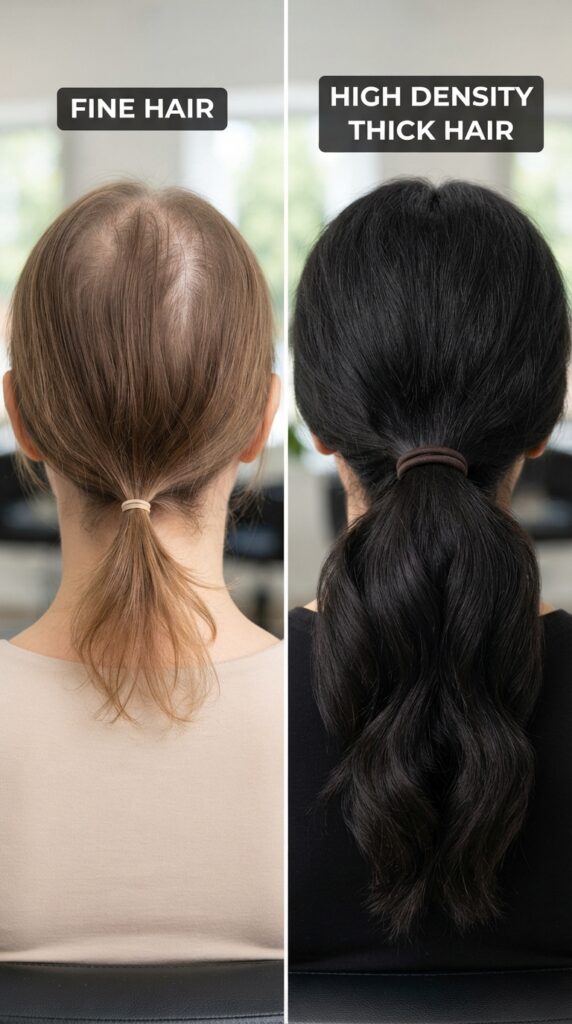
Texture describes the shape of your strands, but density refers to how many strands you actually have per square inch. If you have fine-textured but high-density hair, you’ll need styles that manage bulk. If you have thick-textured but low-density hair, you’ll want styles that create the illusion of fullness, like shorter cuts with textured ends.
7. Don’t Forget About Porosity

Porosity determines how your hair absorbs and retains moisture. High-porosity hair absorbs water quickly but loses it just as fast, often leading to frizz. If your hair is high-porosity, choose styles that look good with a bit of ‘lived-in’ texture. Low-porosity hair needs lighter products to avoid looking greasy, making sleek, controlled styles a better fit.
8. Length vs. Gravity’s Impact
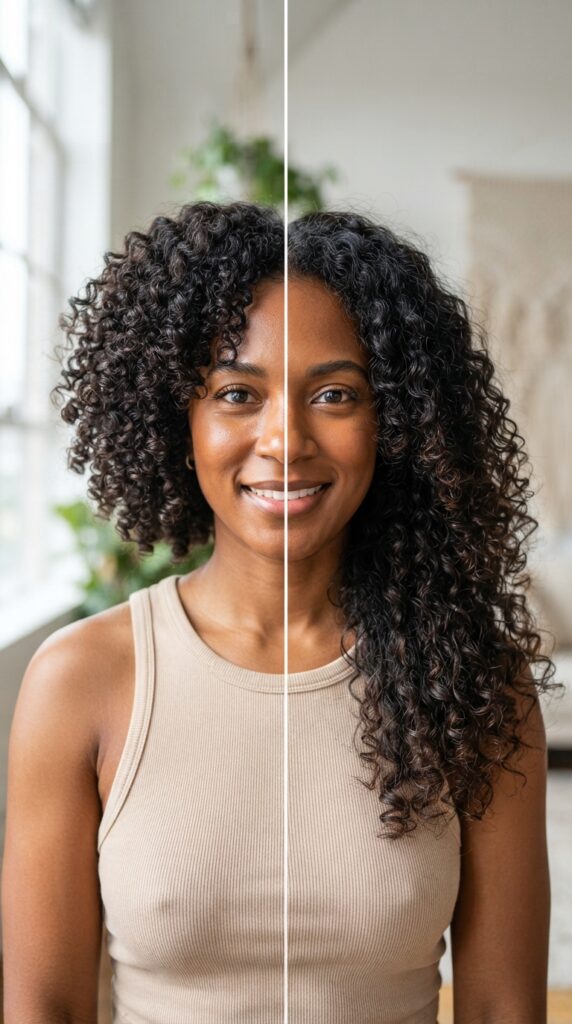
Gravity is a major factor for anyone with waves or curls. The longer your hair is, the more the weight will pull out your natural pattern. If you feel like your curls are looking limp, a strategic chop can ‘lighten the load’ and instantly bring the spring back to your hair. Short to medium lengths are usually best for maximizing curl definition.
9. Style for Your Climate

Your hair texture reacts differently to the environment. If you live in a humid area, a style that requires perfect smoothness might be a losing battle for wavy or curly hair. Instead, choose a hairstyle that embraces a bit of volume and texture, making it easier to manage when the dew point rises and the frizz sets in.
10. Consult a Texture Specialist
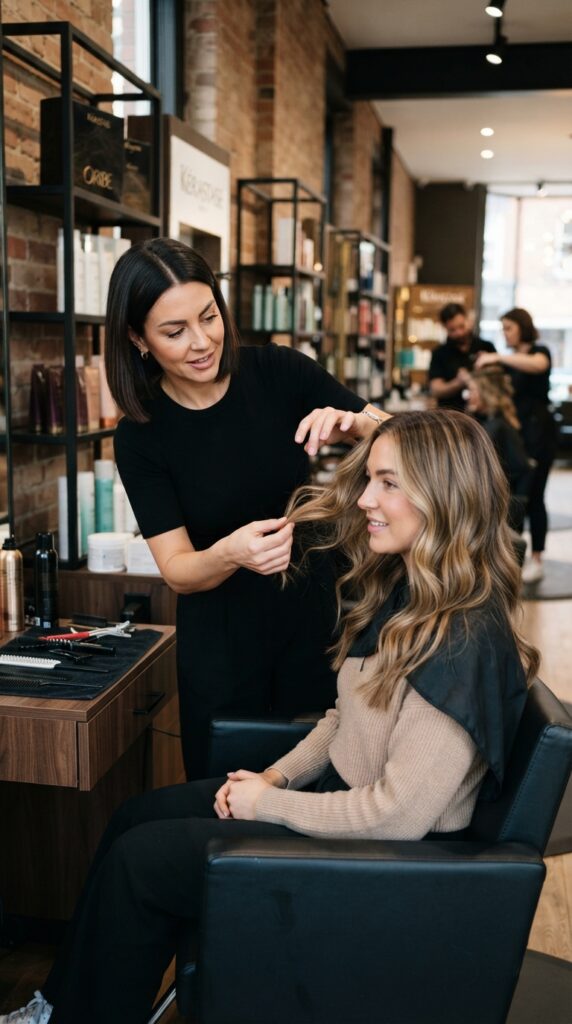
Not all stylists are trained equally in all textures. If you have complex curls or coils, it is worth finding a specialist who understands the geometry of your hair type. A professional consultation can help you bridge the gap between the look you want and the texture you have, ensuring you walk out with a cut that looks great even when you style it at home.